Market & evidence
Classify the oral pouch or film before selecting labels and launch markets

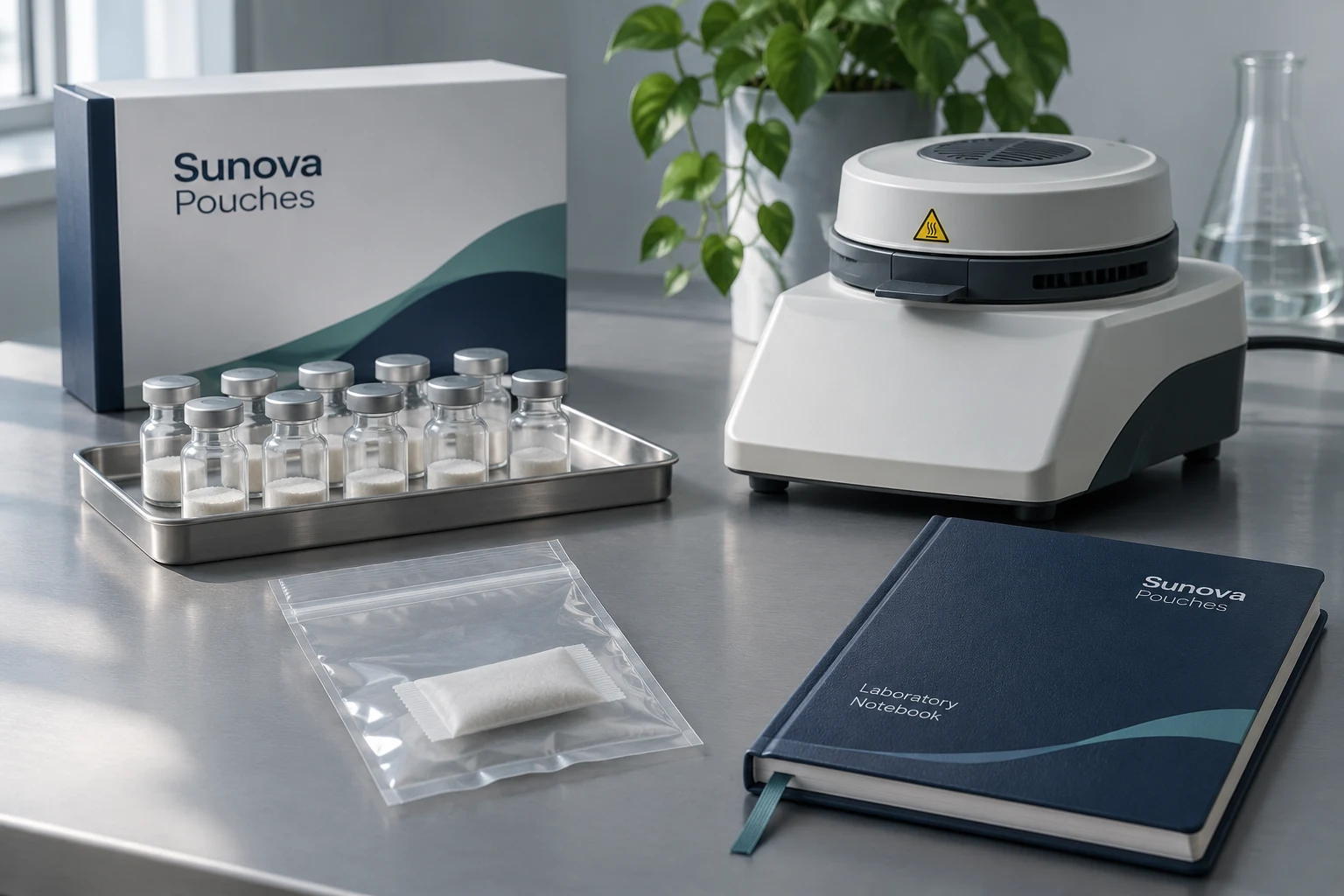
Editorial product illustration.
“Oral pouch” and “oral film” describe formats. They do not settle whether a product is a food, dietary supplement, medicine, tobacco product or another category in a destination market. Classification depends on the actual ingredients, intended use, route, presentation and claims.
Begin with the intended use
Record how the product is used, whether material is swallowed or removed, the proposed serving instructions and the intended users. Separate a physical description such as dissolving in the mouth from a claim about buccal absorption, treatment or physiological effect.
FDA’s dietary supplement information describes a category intended for ingestion. [1] A pouch marketed for a particular transmucosal delivery purpose should not automatically be assigned that category simply because it contains a familiar supplement ingredient.
Review the complete ingredient list
Evaluate active ingredients, botanical identities, carriers, flavors, sweeteners, processing aids and relevant packaging-contact materials. Permission for an ingredient in one category or use does not necessarily cover another route, amount or destination.
For a US dietary supplement concept, ingredient history and any applicable new dietary ingredient requirements need review. FDA’s current guidance directory is a source for the relevant materials. [2] A development guide cannot replace an ingredient-specific assessment.
Use market differences as a design input
Melatonin illustrates the issue: US consumer information and UK medicine information sit within different frameworks. [3] [4] Review the actual intended product rather than generalizing one country’s retail practice to every market.
Nicotine creates a separate regulatory workstream. FDA’s current nicotine pouch list and marketing-order resources concern specific products. [5] A nicotine-free concept also requires its own review; removing nicotine does not automatically establish a lawful supplement or food.
Approve a classification brief before artwork
- Destination and intended sales channels.
- Complete composition and ingredient specifications.
- Use route, serving and intended user population.
- Proposed label, website, advertising and implied claims.
- Required authorizations, notifications, testing and documentation.
- Responsible party and the review date.
Keep the brief current when the formula, use instructions or claims change. Label and website language should reflect the approved position. Translating the same words into another language does not establish suitability for the new jurisdiction.
Questions buyers ask
Are all nicotine-free pouches dietary supplements?
No. Classification depends on the complete product and intended use in the destination, including its route and claims.
Can one film formula be sold under the same category everywhere?
Do not assume so. Ingredient treatment, use conditions, authorizations and claims differ between markets.
Should regulatory review wait until the sample tastes right?
No. Early classification can prevent development around an unsuitable ingredient, route or claim. Continue reviewing as the specification evolves.
Explore the product specifications
Sources & further reading
- FDA: Questions and Answers on Dietary Supplements
- FDA: Dietary Supplement Guidance Documents and Regulatory Information
- NCCIH: Melatonin — What You Need To Know
- NHS: Melatonin medicine information
- FDA: Nicotine Pouch Products Authorized by the FDA
Sources checked November 7, 2026. External research and guidance are context; they are not test results or authorizations for a Sunova finished product.
Prepared by Sunova Pouches Editorial for B2B product development. Content is reviewed for sourcing and claim scope; it does not establish finished-product efficacy or market authorization.
Our editorial policy