Market & evidence
Match every pouch and film claim to evidence and the correct product category

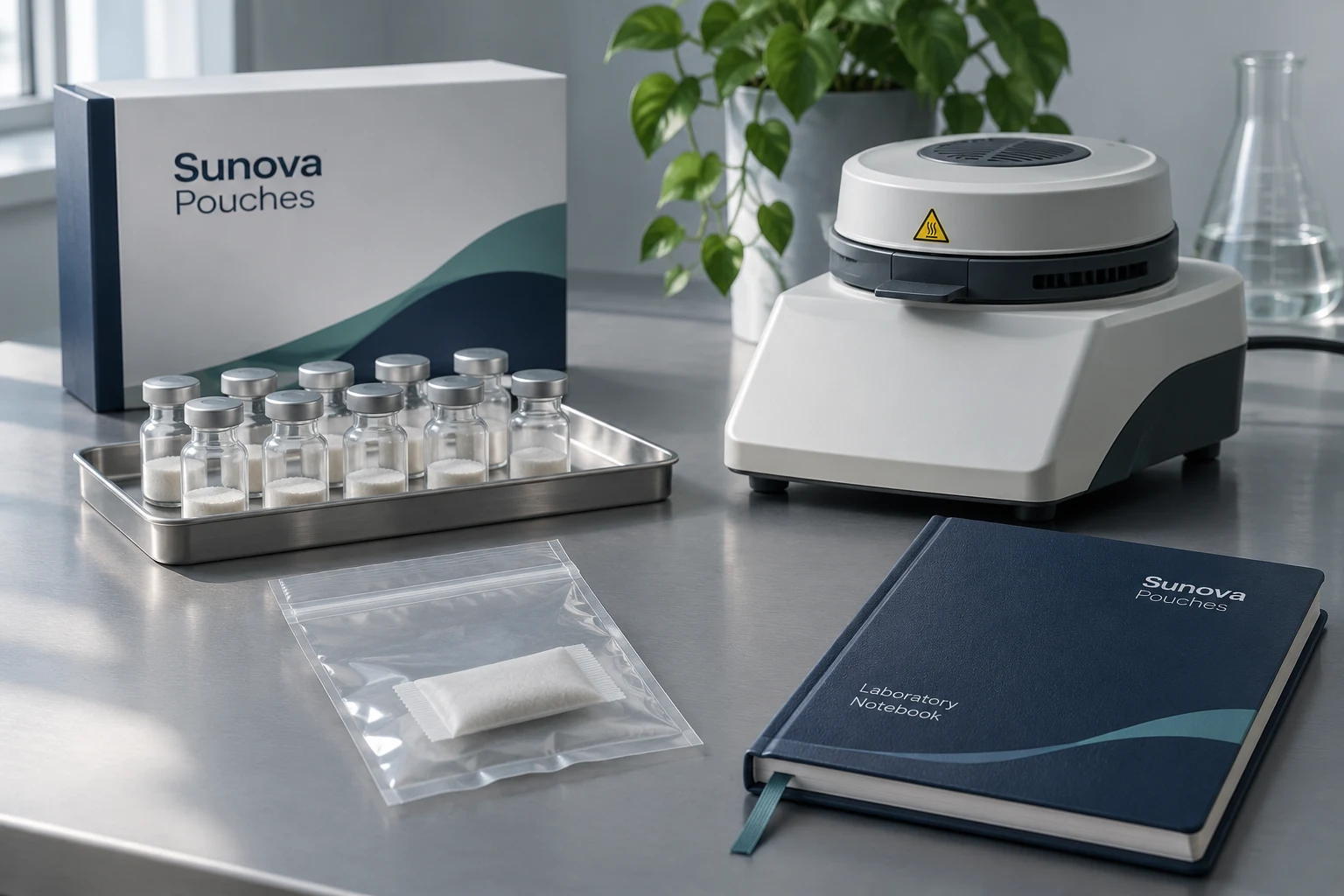
Editorial product illustration.
A product claim should lead to a specific evidence file. The file needs to support the actual message a buyer or consumer receives, including implied messages from images, headings and comparisons. An ingredient bibliography alone may not support a finished pouch or film claim.
Separate claim types
Composition statements, sensory descriptions, manufacturing capabilities and health claims require different evidence. “Contains caffeine” calls for a defined composition and appropriate control. “Mint flavor” describes a sensory attribute. A promise about focus, sleep or absorption raises a different substantiation question.
FTC’s Health Products Compliance Guidance explains the need for competent and reliable scientific evidence appropriate to health-related advertising claims. [1] Consider the complete message rather than relying on a disclaimer to repair an unsupported headline.
Match research to the actual product
Review ingredient identity, amount, formulation, route, population, comparator and measured outcome. A study of a swallowed ingredient may not establish performance of a removed pouch. A film’s disintegration test cannot substitute for a study of absorption or clinical effect.
Keep limitations visible. A laboratory result may support a physical specification while leaving a consumer outcome untested. Avoid extending a study beyond the question it actually examined.
Review category-specific wording
FDA’s dietary supplement labeling guide distinguishes relevant claim types and associated requirements within that category. [2] The product first needs to belong in that category. A required statement or notification is not a general license to make any health claim.
Nicotine products have a separate framework. Do not borrow another product’s authorized risk-related wording or present an unrelated manufacturing service as FDA approval. Likewise, a facility certification should retain its actual holder, site and scope.
Maintain a claim register
- Exact wording and where it appears, including translated versions.
- Product, formula version, target market and intended users.
- Supporting test, study or business record.
- Evidence limitations and any necessary qualification.
- Reviewer, approval date and reassessment trigger.
Include product photographs and design elements in the review. A medical symbol, before-and-after image or certification-style badge can imply a message beyond the written copy. Editorial illustrations should not look like real test results or customer endorsements.
Questions buyers ask
Can an ingredient study support every finished-product claim?
No. Relevance depends on the ingredient, amount, route, formulation, population and outcome. Review the actual proposed message against the evidence.
Does a disclaimer make an unsupported claim acceptable?
No. The overall message still needs appropriate support and must comply with the product’s applicable framework.
Should translated website claims be reviewed?
Yes. Translation can change meaning or imply a stronger promise. Keep market and language versions aligned with the approved evidence.
Explore the product specifications
Sources & further reading
- FTC: Health Products Compliance Guidance
- FDA: Dietary Supplement Labeling Guide, Chapter VI — Claims
Sources checked November 7, 2026. External research and guidance are context; they are not test results or authorizations for a Sunova finished product.
Prepared by Sunova Pouches Editorial for B2B product development. Content is reviewed for sourcing and claim scope; it does not establish finished-product efficacy or market authorization.
Our editorial policy