OEM & sourcing
MOQ, samples and pilot batches: approve a process before the first order
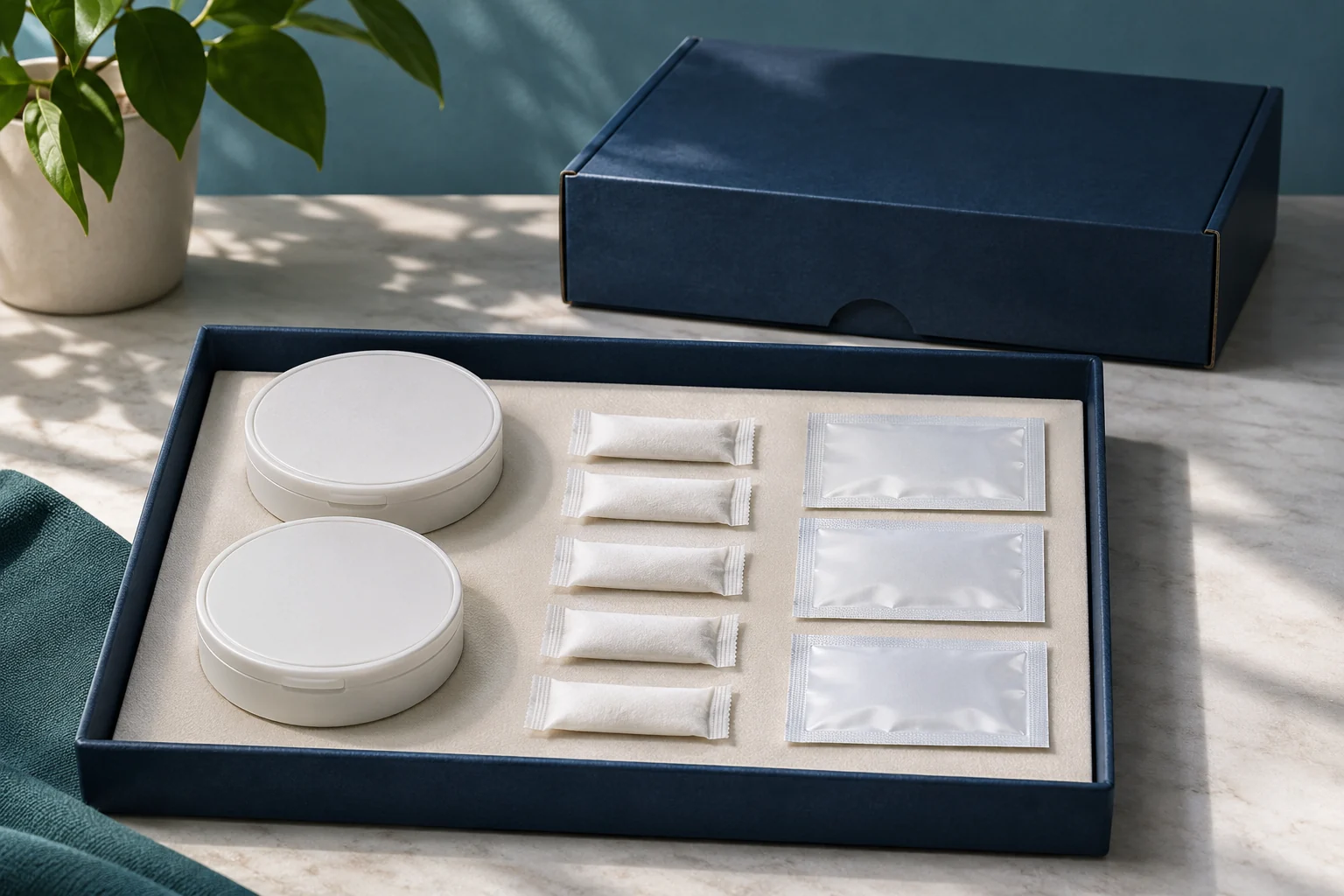
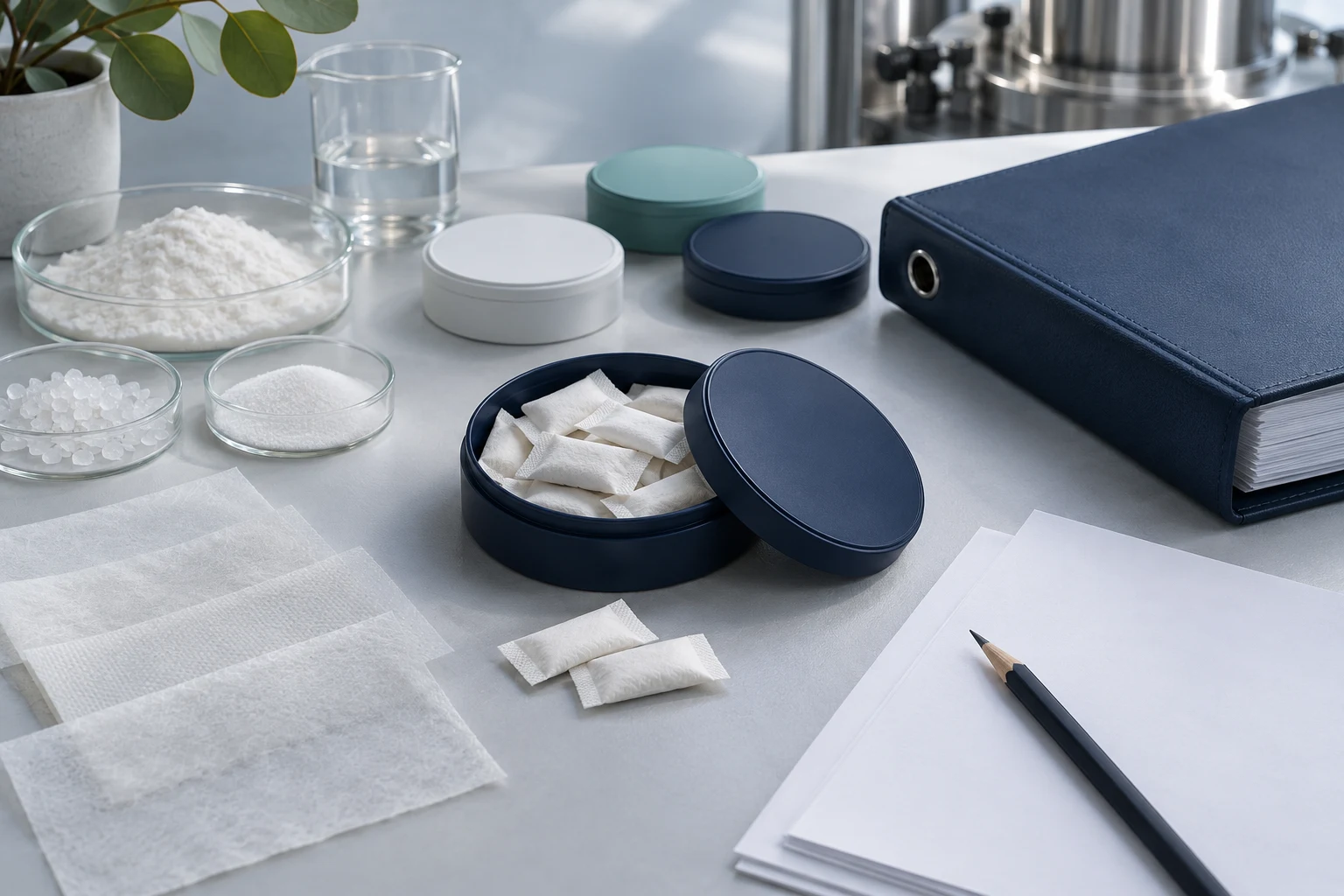
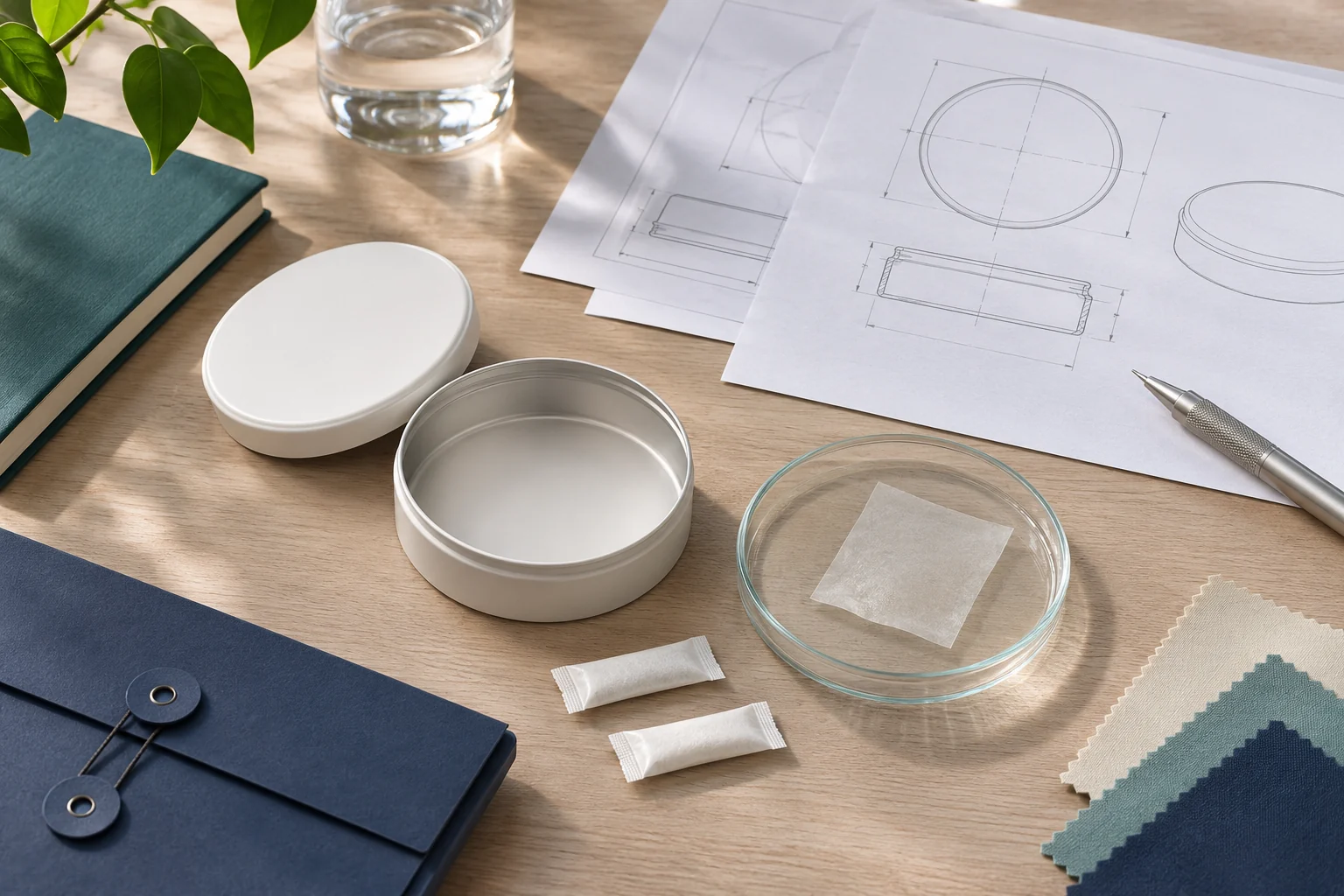
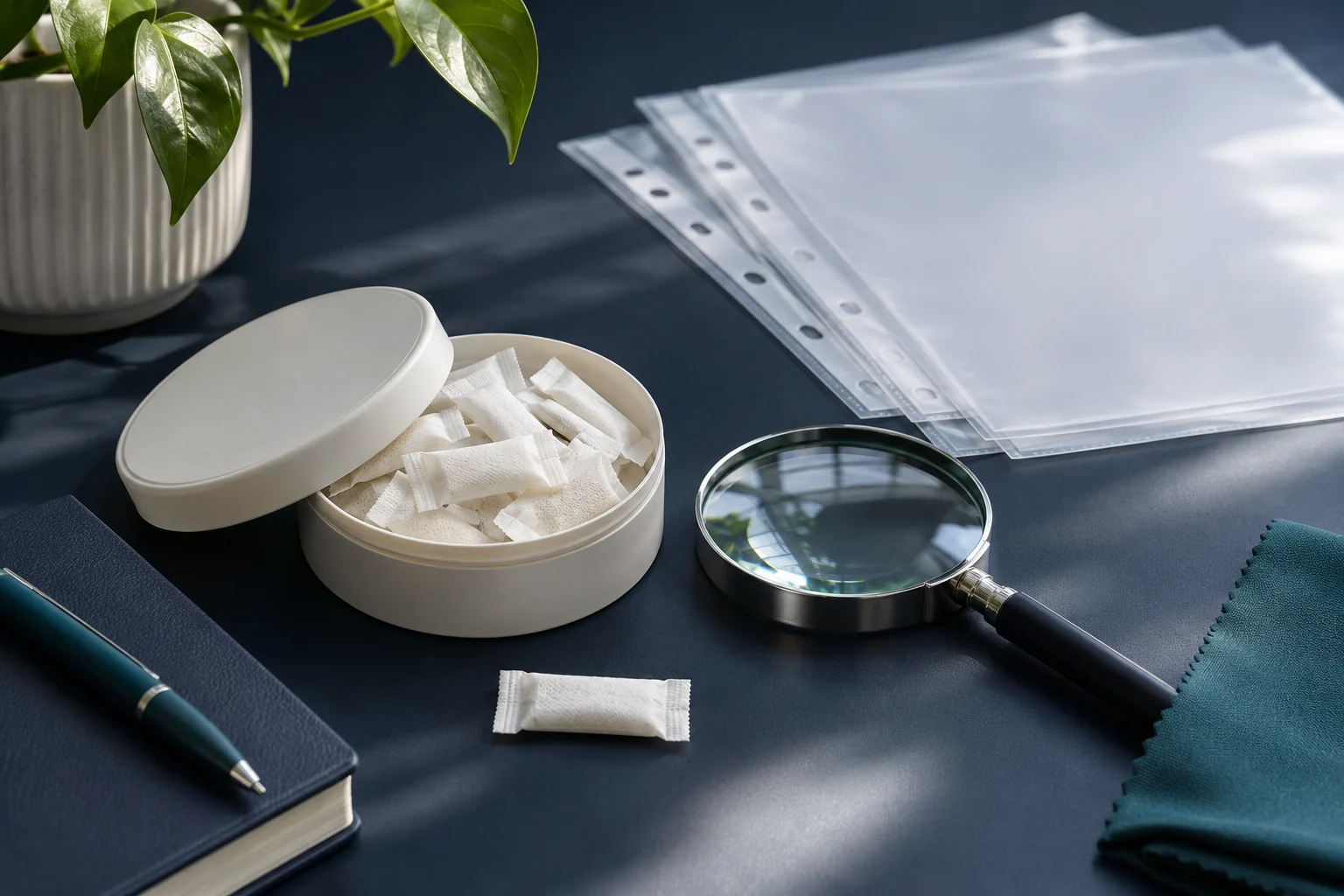
Editorial product illustration.
Minimum order quantity is usually the result of several constraints: blending or casting scale, line setup, packaging procurement, testing and the number of variants. A useful supplier discussion separates those constraints instead of treating MOQ as one unexplained number.
Ask what drives the minimum
Identify whether the limiting quantity concerns finished cans, a flavor batch, printed packaging, a film casting run or a particular raw material. Several SKUs may share one input but require separate production and release work. Confirm whether an unprinted stock pack changes the constraint.
Sunova does not publish one universal MOQ for all pouch and film projects. The formula, pack, variant count and scope need review. Avoid assuming that a number discussed for one concept applies to a different active or custom can.
Give every sample a purpose
A sensory prototype may help select a flavor but may not represent final commercial equipment or packaging. A pilot can examine scale and process behavior. A pre-production approval sample should have a defined relationship to the approved formula and commercial specification.
Keep the sample’s status visible in its records. Record formula version, batch identification, preparation date, pack and intended evaluation. A photographed hand sample should not be presented as evidence of validated large-scale consistency.
Approve a useful sample matrix
- State the technical question each version is intended to answer.
- Limit simultaneous changes so sensory or process differences can be interpreted.
- Use an agreed scorecard and record evaluators’ observations.
- Define the assay, physical and packaging evidence needed before scale-up.
- Retain the selected sample and its approved specification.
Sunova’s company-reported sampling figure is five working days. An individual schedule depends on materials, formula complexity, testing and the agreed scope. Confirm the applicable start point and dependencies rather than treating the headline as a guarantee for every project.
Use the pilot to reduce commercial uncertainty
Review blend or casting behavior, fill or cut consistency, seal quality, packing and expected yield. Agree how deviations and failed targets will be handled. Before the first order is released, align the approved specification, artwork, quality documents and change-control process.
FDA’s dietary supplement cGMP guidance describes quality controls and specifications for products within its scope. [1] A small order still needs appropriate controls; reducing quantity should not make identity or traceability optional.
Questions buyers ask
Can several flavors count toward one MOQ?
It depends on the actual production and procurement constraints. Ask which quantities can be shared and which require separate batches.
Is an approved taste sample enough to place a commercial order?
It approves only the attributes and scope actually evaluated. Commercial specifications, analytical requirements, packaging and artwork still need agreement.
Are five-day samples guaranteed for custom ingredients?
No. Material availability, feasibility and test scope can affect the schedule. Obtain a project-specific commitment after the brief is reviewed.
Explore the product specifications
Sources & further reading
Sources checked November 7, 2026. External research and guidance are context; they are not test results or authorizations for a Sunova finished product.
Prepared by Sunova Pouches Editorial for B2B product development. Content is reviewed for sourcing and claim scope; it does not establish finished-product efficacy or market authorization.
Our editorial policy