OEM & sourcing
Formula ownership and change control: what belongs in the manufacturing agreement

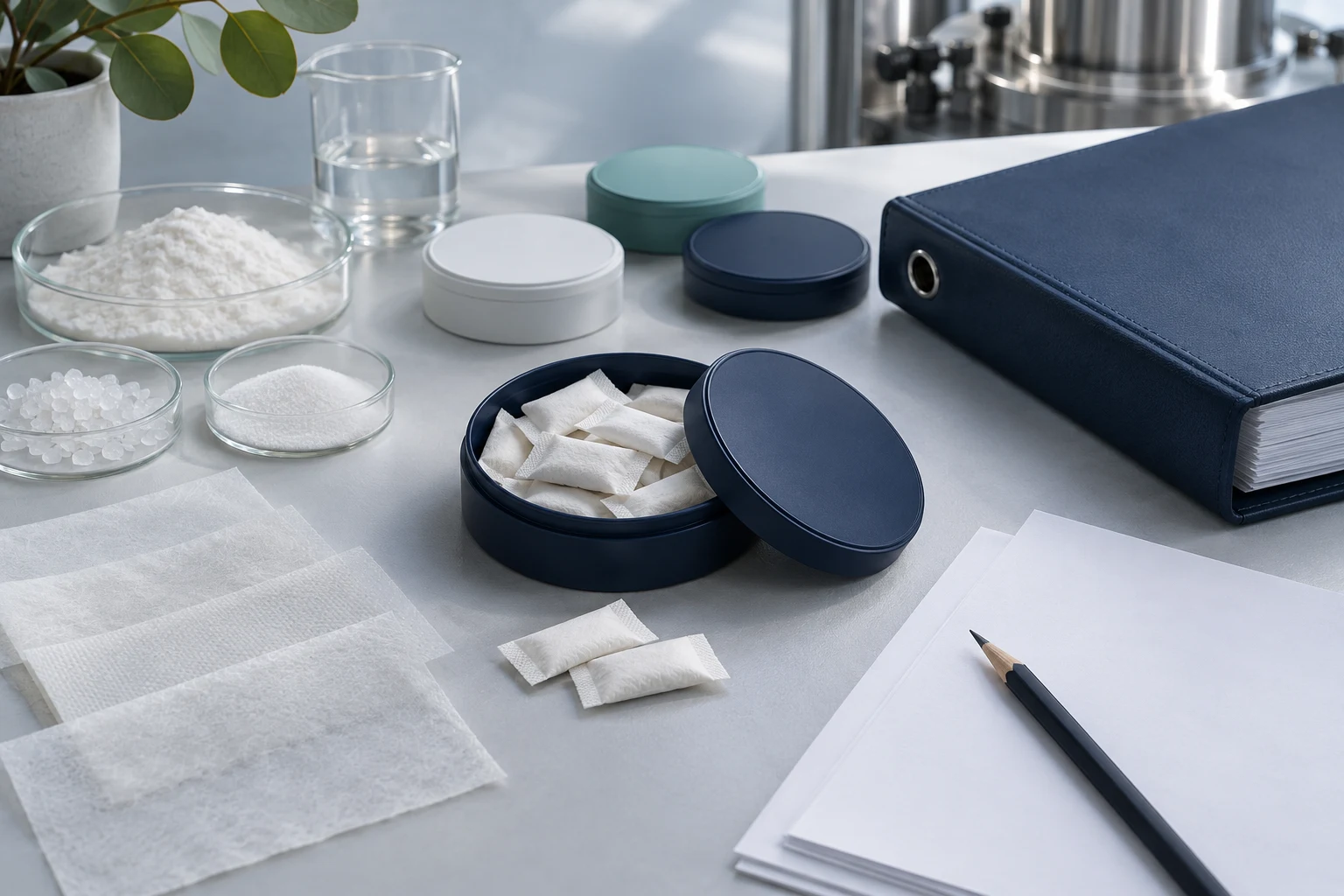
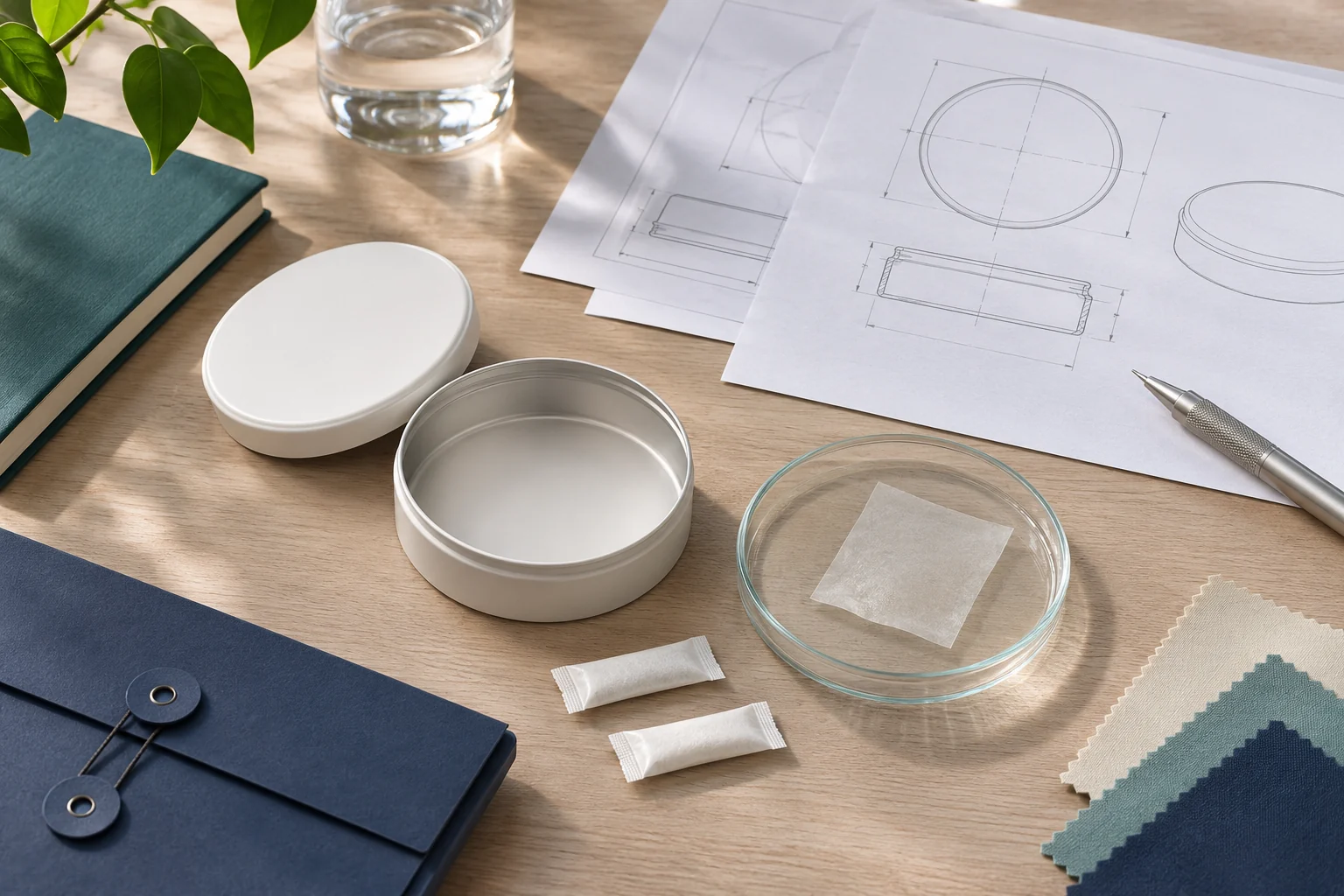
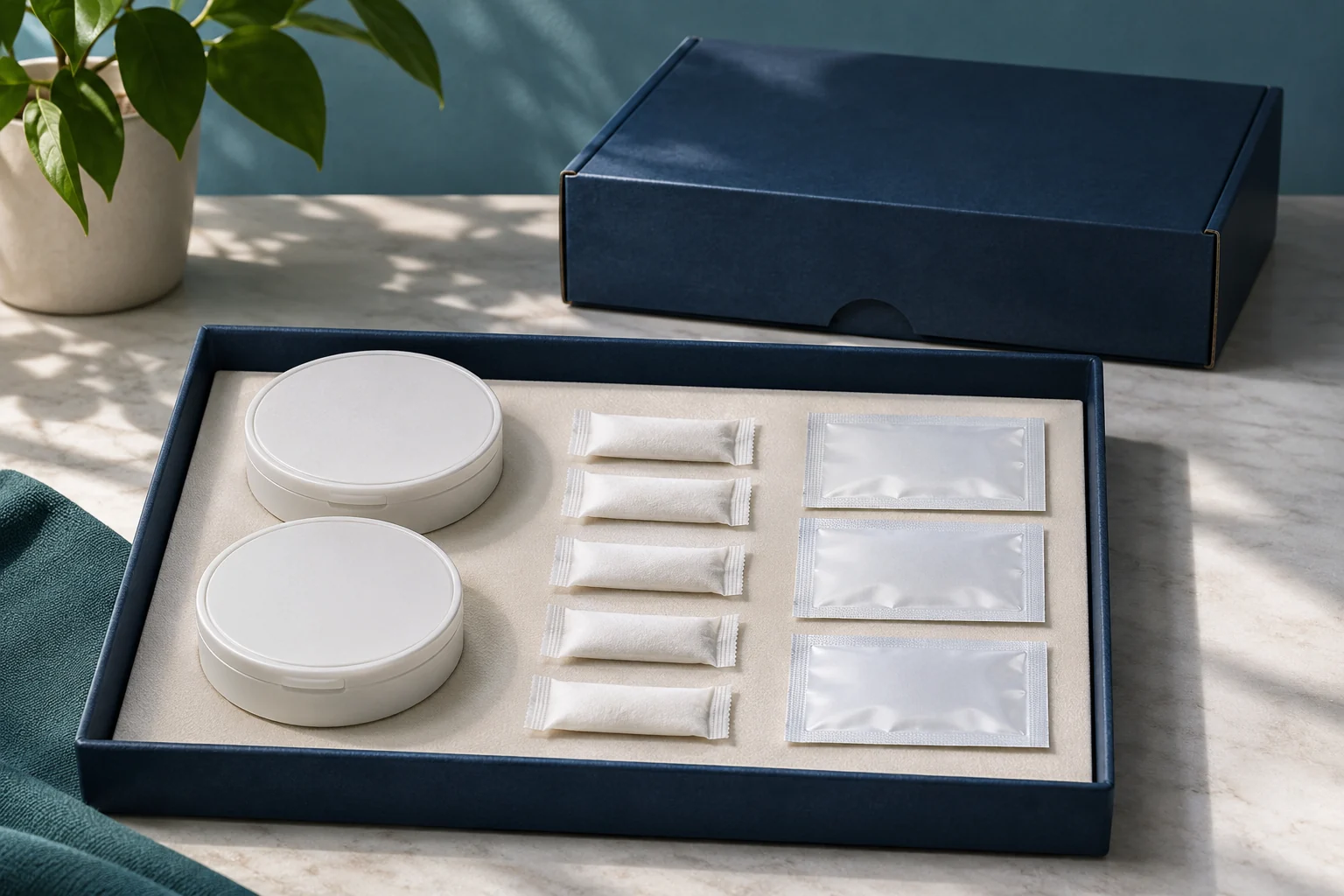
Editorial product illustration.
A development agreement should explain who owns the starting technology, who may use the finished formula and what happens when a material or process changes. These questions become harder to resolve after successful samples have already been approved.
Separate background and project-generated work
List customer-supplied formulas, supplier platform formulas, manufacturing know-how, artwork and newly generated data. State ownership or permitted use for each. A customer-specific flavor name does not, by itself, establish ownership of the underlying formulation.
Define any exclusivity by product, territory, channel, term and relevant conditions. Confirm whether it restricts only an exact formula or a broader concept. Both parties should understand what can still be developed for other customers.
Define the records that travel with the project
Agree the specifications, methods, stability summaries, batch documents and development reports the brand will receive. Identify confidential background records that remain with the manufacturer and any audit or access rights. If technology transfer is contemplated, define its scope before it becomes urgent.
Version control is essential. The approved formula, artwork and packaging bill of materials should be identifiable, with a clear record of who approved them and when. An informal message saying “use the latest sample” is a weak manufacturing instruction.
Set change-notification rules
- Ingredient supplier, grade, composition or manufacturing-site changes.
- Flavor and processing-aid changes, including relevant carrier inputs.
- Pouch web, film polymer, can, liner or barrier changes.
- Manufacturing process, equipment, site or analytical method changes.
- Artwork, claim, serving or destination-market changes.
Define which changes need prior customer approval, which require notification and which supporting studies are needed. The impact assessment may include identity, allergens, sensory performance, assay, stability and market classification.
Agree how exceptions are handled
Include deviations, out-of-specification results, rework, complaints, recalls and record retention. Assign responsibility for decisions and communication. The quality agreement should align with the commercial contract and applicable requirements.
FDA’s dietary supplement cGMP guidance is one reference for controlled manufacturing records and quality responsibilities where the category applies. [1] Contract terms should be reviewed for the parties’ jurisdictions; this guide identifies technical issues for that review rather than providing a model legal contract.
Questions buyers ask
Does paying for development automatically transfer all know-how?
No. The agreement needs to define the rights transferred and any background technology that remains with the supplier.
Can a supplier substitute an equivalent flavor without approval?
The change procedure should decide that. A flavor substitution can affect ingredients, allergens, sensory performance or claims even when its name is similar.
Should a packaging-only change enter change control?
Yes. Packaging can affect barrier, stability, usability and labeling. Assess the impact and apply the agreed approval process.
Explore the product specifications
Sources & further reading
Sources checked November 7, 2026. External research and guidance are context; they are not test results or authorizations for a Sunova finished product.
Prepared by Sunova Pouches Editorial for B2B product development. Content is reviewed for sourcing and claim scope; it does not establish finished-product efficacy or market authorization.
Our editorial policy